Uncategorized
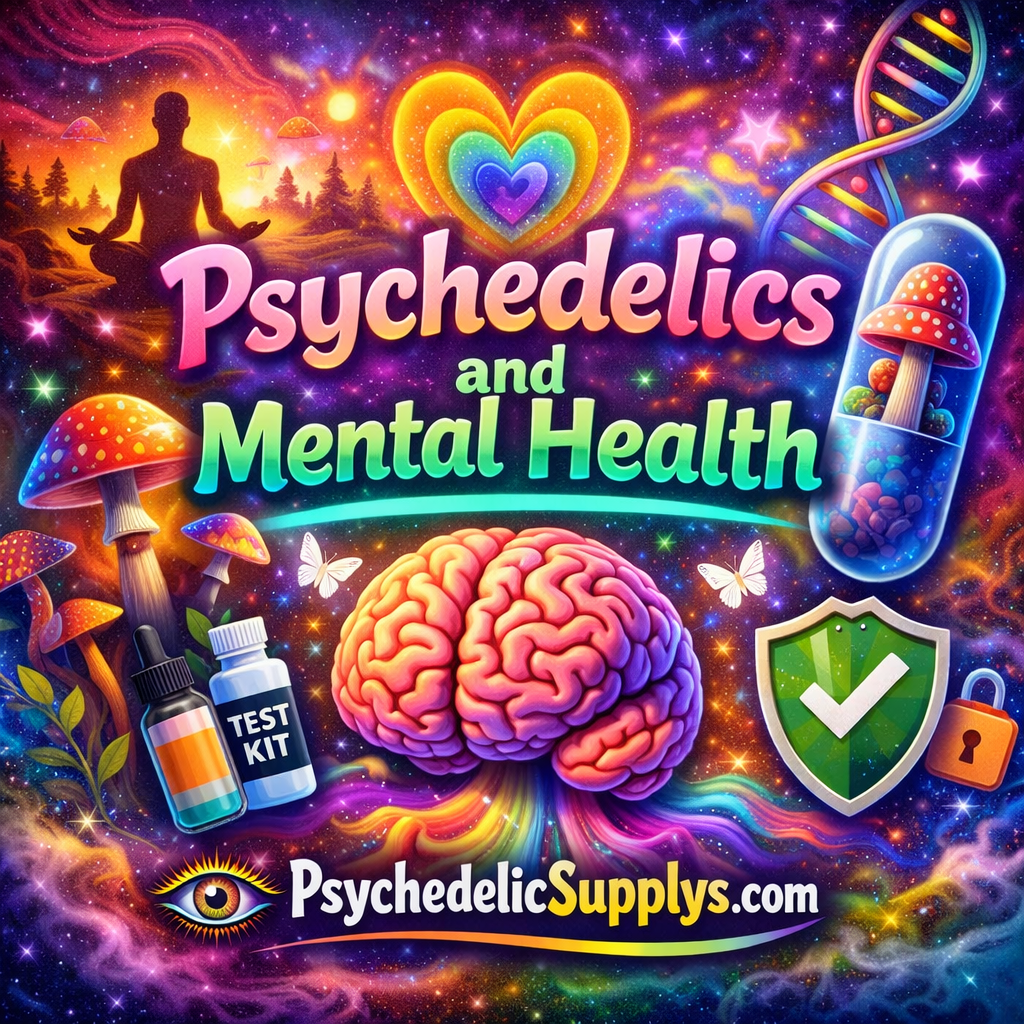
PSYCHEDELICS AND MENTAL HEALTH
Jan
Introduction to Psychedelics and Mental health
In recent years, psychedelics have moved from taboo subjects to serious topics of scientific research—especially in the field of mental health. Substances like psilocybin are now being studied by leading universities and research institutions for their potential to support treatment of conditions such as depression, anxiety, PTSD, and addiction.
This article explores how psychedelics interact with mental health, what current science says, potential benefits, risks, and important limitations. This content is for educational purposes only.
What Are Psychedelics?
Psychedelics are substances that alter perception, mood, and cognitive processes by interacting with neurotransmitter systems in the brain—primarily serotonin.
Commonly studied psychedelics include:
●Psilocybin (magic mushrooms)
●LSD
●DMT
●Mescaline
Modern research focuses less on recreational use and more on therapeutic potential in controlled settings.
How Psychedelics Affect the Brain
Studies suggest psychedelics may affect the brain in several key ways:
●Increased activity in serotonin receptors
●Reduced activity in the brain’s “default mode network”
●Increased communication between brain regions
●Temporary boost in neuroplasticity
These effects may help explain why some people experience shifts in perspective, emotional processing, and thought patterns.
Psychedelics and Depression
Psilocybin has shown promising results in studies involving treatment-resistant depression.
Researchers believe psychedelics may:
●Interrupt negative thought loops
●Increase emotional openness
●Support long-term mood improvements
In clinical studies, benefits often occur when psychedelics are combined with therapy and professional guidance.
Psychedelics and Anxiety
Psychedelics are also being studied for anxiety, particularly anxiety linked to serious illness or trauma.
Reported effects include:
●Reduced fear responses
●Increased emotional acceptance
●Greater sense of peace and perspective
Again, these outcomes are most often observed in structured, therapeutic environments.
PTSD and Trauma Research
PTSD research suggests psychedelics may help individuals revisit traumatic memories with reduced emotional distress.
Potential mechanisms include:
●Improved emotional regulation
●Reduced avoidance behaviors
●Enhanced therapeutic engagement
This area of research is still developing and requires professional oversight.
Psychedelics and Addiction
Some studies indicate psychedelics may support addiction treatment by:
●Reducing cravings
●Increasing self-awareness
●Encouraging behavioral change
Psilocybin and other psychedelics are being explored for alcohol, nicotine, and substance dependency.
Limitations of Current Research
While findings are promising, there are important limitations:
●Many studies involve small sample sizes
●Long-term effects are still being studied
●Results vary between individuals
●Psychedelics are not suitable for everyone
Psychedelics should not be viewed as miracle cures.
Risks and Mental Health Considerations
Psychedelics may worsen symptoms for individuals with:
●Bipolar disorder
●Schizophrenia
●Severe psychosis
Possible side effects include anxiety, confusion, emotional distress, and panic reactions.
Legal and Ethical Considerations
In many regions, psychedelics remain illegal outside of approved research or medical settings. Ethical research emphasizes:
●Informed consent
●Professional supervision
●Integration therapy
Always follow local laws and medical guidance.
You can visit our telegram group if you want a real time interaction with our team
